Cytomorphologic analysis of the bone marrow is crucial for the initial diagnosis of myelodysplastic neoplasms (MDS), yet the accurate identification of dysplastic features is often challenging, time-consuming, and prone to inter-observer variability, even among experienced morphologists.
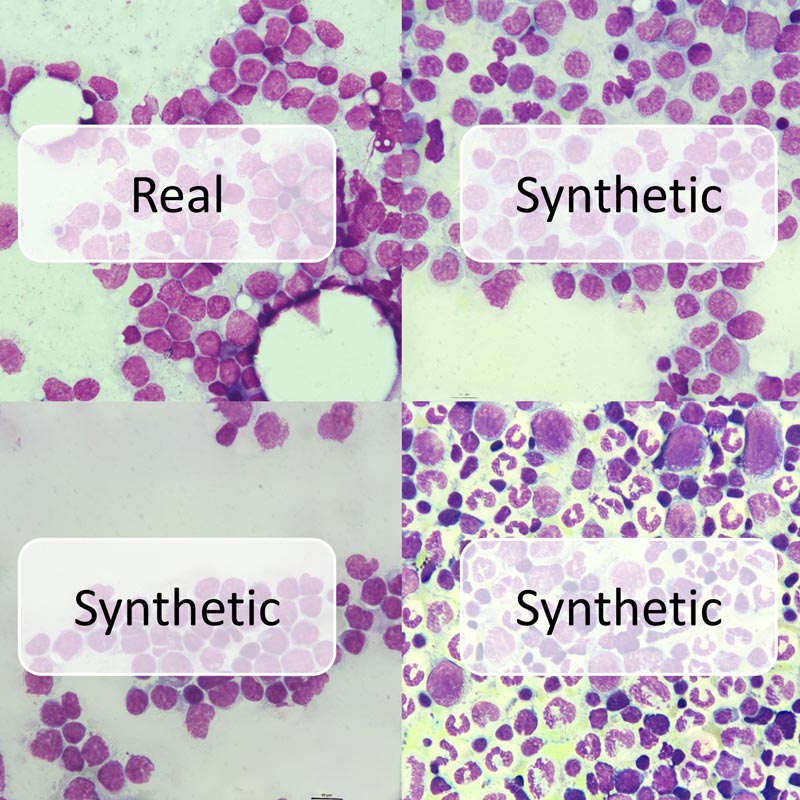
In our new study published in NPJ Precision Oncology, we developed an end-to-end deep learning framework that accurately distinguishes MDS from acute myeloid leukemia (AML) and bone marrow donors based on bone marrow smears from 2,000 individual patients and donors, without the need for labor-intensive cell-level annotation.
In terms of explainability, the networks focused on nuclear structures not only in dysplastic cells but also, at times, in cells that were not morphologically suspicious of dysplasia. This indicates the presence of more intricate and subtle morphological alterations that are unquantifiable by human observers.
Our findings underscore the potential of deep learning–based approaches to complement traditional cytomorphologic assessment, improve diagnostic accuracy, and reveal biologically meaningful patterns that extend beyond established morphological definitions.
Read the full paper here: https://www.nature.com/articles/s41698-025-01222-y