Clinical trials are too expensive, take too long, and fail too often. Plus, in the age of precision oncology, multiple clinical trials are often competing for a small pool of molecularly defined eligible patients to recruit to intervention and control groups, thereby effectively „cannibalizing“ each other.
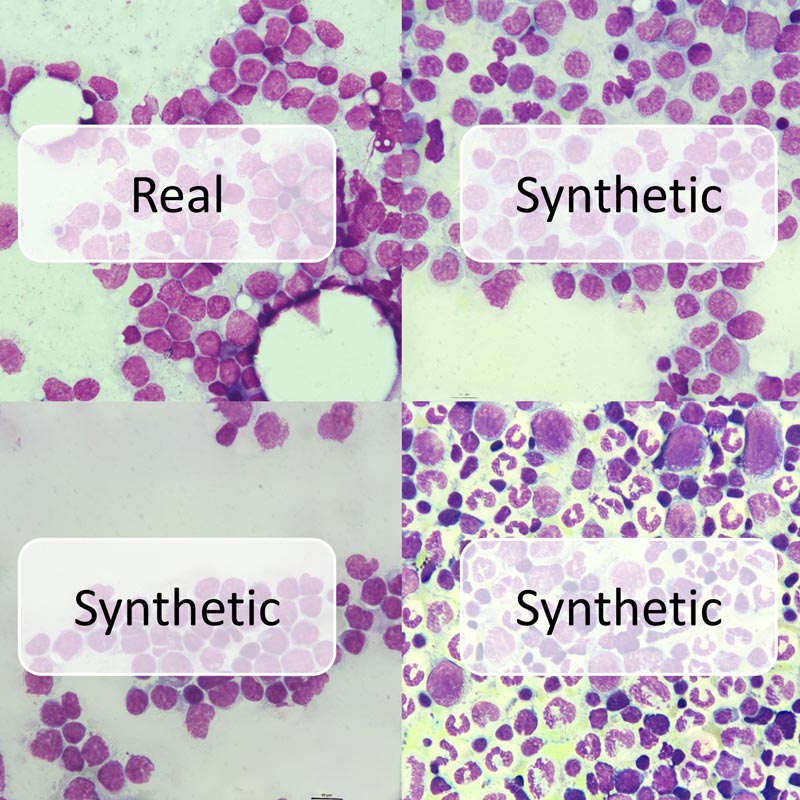
Generative AI can help by producing cohorts of synthetic patients that can augment or replace real control cohorts. This could enable more real patients being recruited into the investigational trial arms, potentially cutting time to completion, costs, and giving more patients access to life saving new treatments.
AI-generated synthetic control groups are an exciting avenue in clinical trial design, but also no silver bullet: data availability, representation and bias, privacy and usability, as well as governance and regulation are challenges to be addressed prior to widespread adoption.
If you want to find out more about the potential of synthetic control groups in precision oncology trials, check out our perspective now published in Leukemia: https://www.nature.com/articles/s41375-026-03116-9?error=cookies_not_supported&code=ccf4205c-726f-4083-828f-4f825726e02d